
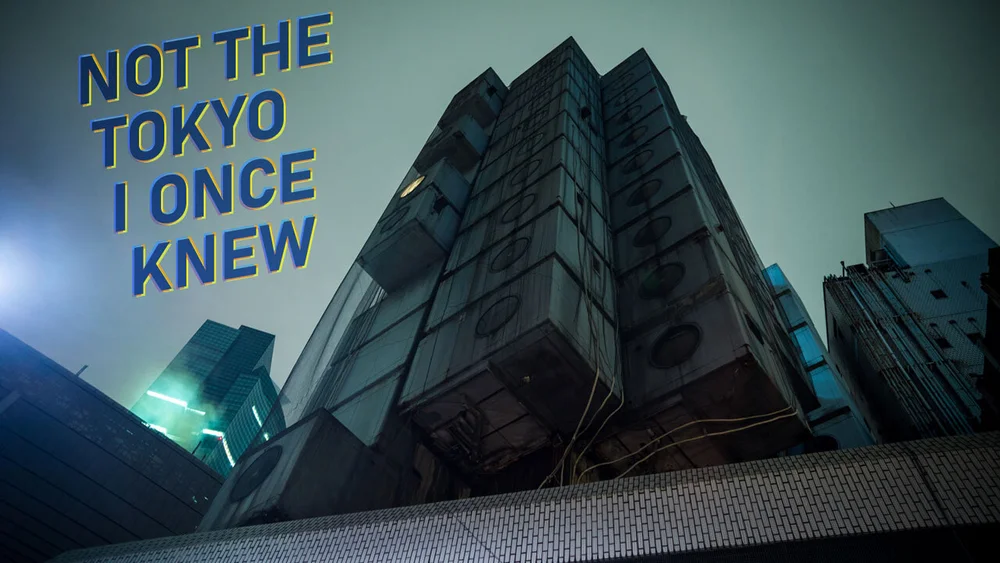
I first set foot in Japan in 2007 and I used to be instantly swept away by a seemingly countless metropolis filled with hidden lanes, decrepit corridors, and a patina of decay splashed with vivid neon mild. I do know I romanticize it. That may’t be helped—Tokyo is a romantic place! Rationally, I can perceive that I could also be wanting on the Tokyo of my previous by rose-tinted glasses, and my early experiences of it are most certainly exaggerated in my reminiscences. However I additionally know Tokyo has modified, dropping a lot of its attraction within the course of, and I’ve photographic proof to show it.
Earlier than I’m going on, I can’t deny that adjustments have been wanted. Labyrinthine prepare stations and run-down alleyways weren’t conducive to the march of capitalism and explosive development in tourism. The previous has to make method for the brand new finally. It is a reality of existence. However I can nonetheless lament the passing of an period that when enamored me with visions of an excellent metropolis seemingly straight from a movie like Blade Runner.
A prepare billows previous a station attendant, making a smear of vivid colour.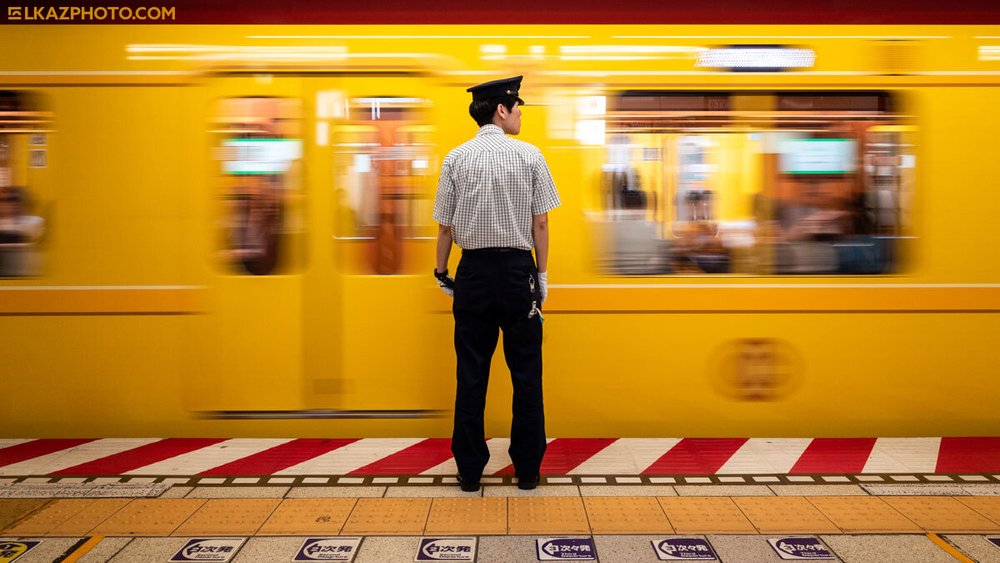
Right now, Tokyo has misplaced a lot of the roughness and grit that made it so nice to me within the first place. There are nonetheless pockets of this retro-Tokyo right here and there, however they’re rapidly disappearing little by little, neon by neon. Take even a easy (and naturally crucial) change just like the addition of security obstacles on the subway platforms. Sure, this can be a good factor. However purely from a visible, photographic sense, one thing has been misplaced. Not can I create dynamic photos of blurred colour behind immobile station attendants. And this strikes on the core of the problem for me. It’s not that Tokyo has modified and can proceed to alter. What I remorse is that I didn’t work more durable to seize these items earlier than they disappeared.
Surprisingly misplaced, the previous Harajuku station gave the world an odd eclectic character.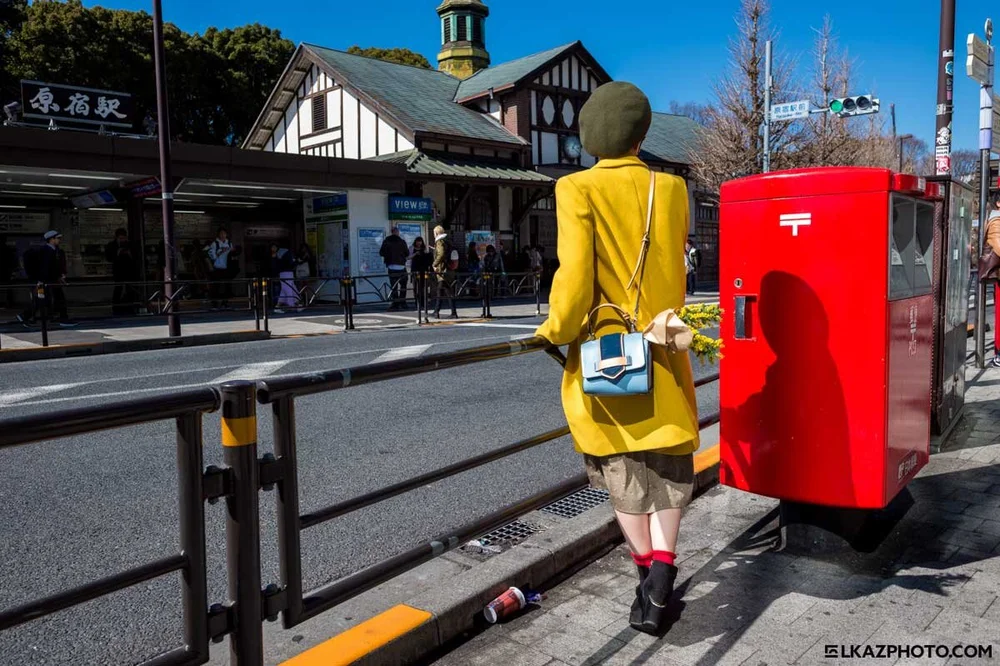
Over time I’ve seen numerous buildings, each extraordinary and run-of-the-mill, get torn down and changed, as a rule, with bland, characterless industrial areas. Once more, I admit that the adjustments are sometimes crucial, and primarily want I had acted sooner to protect some reminiscence of these issues now gone. However some renewals are nearly unforgivable, like how Harajuku Station misplaced its historic constructing, an icon of the world, and was as a substitute changed by a soulless monolith to effectivity and nothing extra. Sure, the brand new station is a much-needed sensible enchancment on the previous one, which was clearly not designed to deal with the throngs of day by day guests to Harajuku. The change actually alleviated the acute congestion on the ticket gates, however nonetheless, I miss the previous one.
An previous tempura store in Ginza is now merely an empty lot.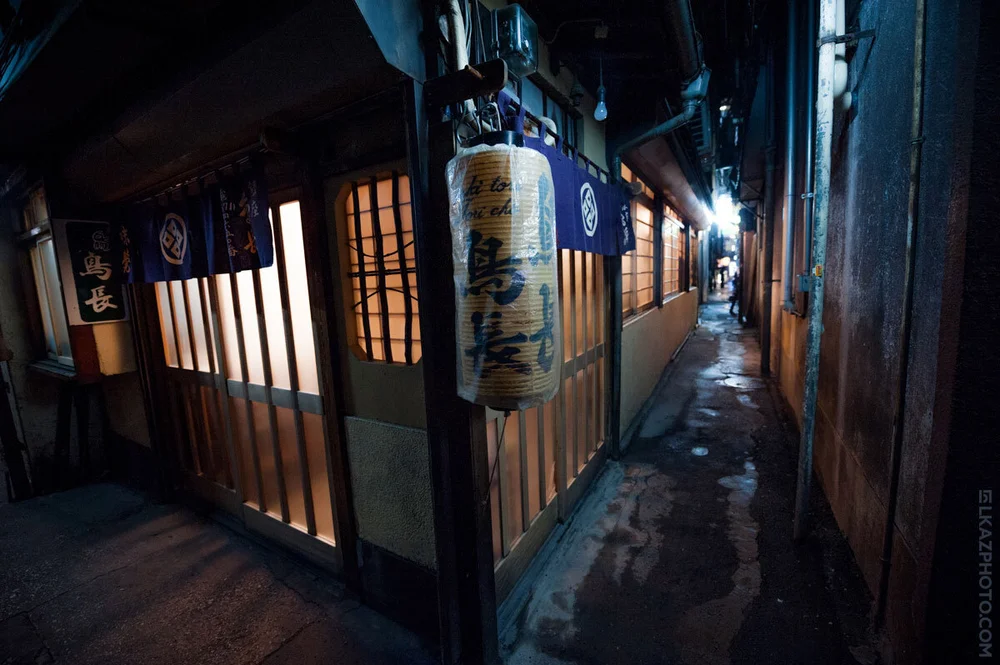
Past renovations and renewals of main infrastructure, even easy native retailers and passages have vanished one after the other, typically changed with empty numerous gravel, ready for a allow or financing earlier than one thing else may be constructed to fill the voids. Small decaying eating places and bars, wire-filled alleyways and passages, and loads of previous homes and buildings relationship again a long time are all gone. Sure, they have been decaying and the companies they hosted might have failed. Or maybe the homeowners merely retired or handed away and the following of kin offered off the land. However these issues gave town a personality. They fanned the flames of creativeness. And I miss them.
These previous wire-covered buildings internet hosting hidden dives are not any extra. What changed them is pristine and storyless. Maybe with time…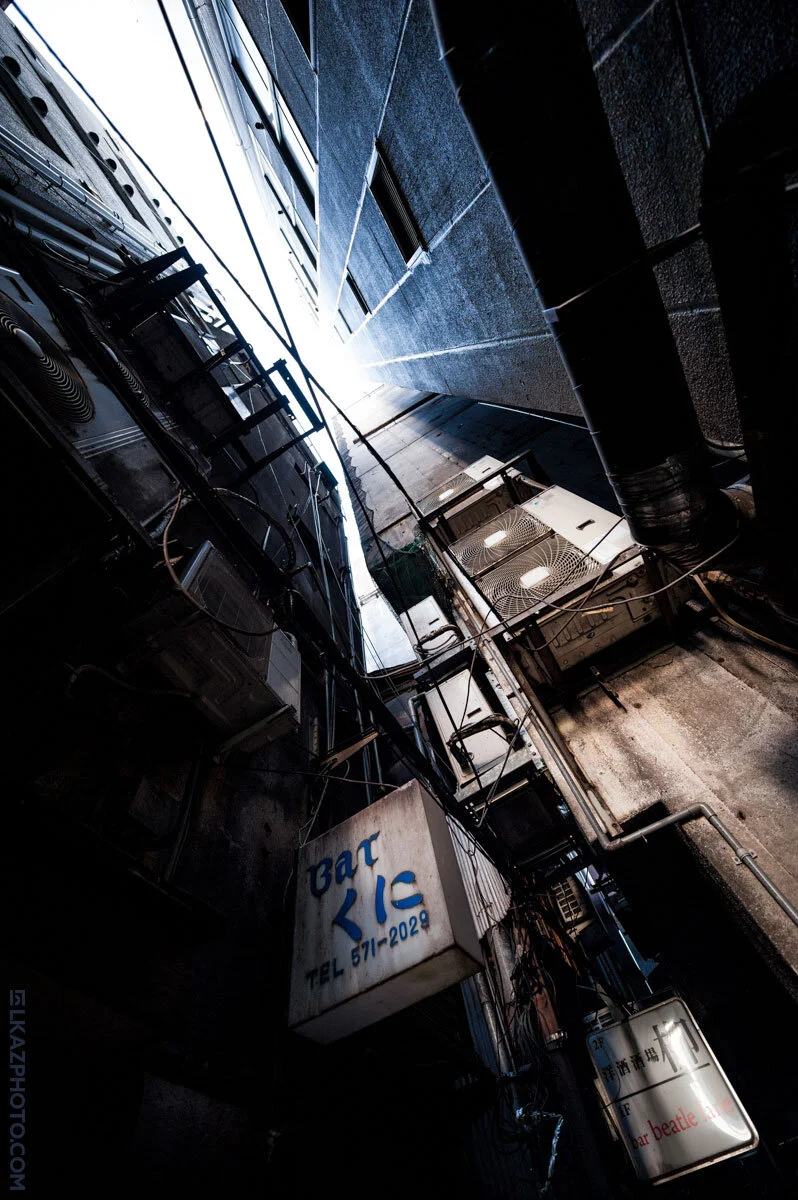
The hulking Jumbo neon signal isn’t any extra, changed by a boring unlit flat billboard.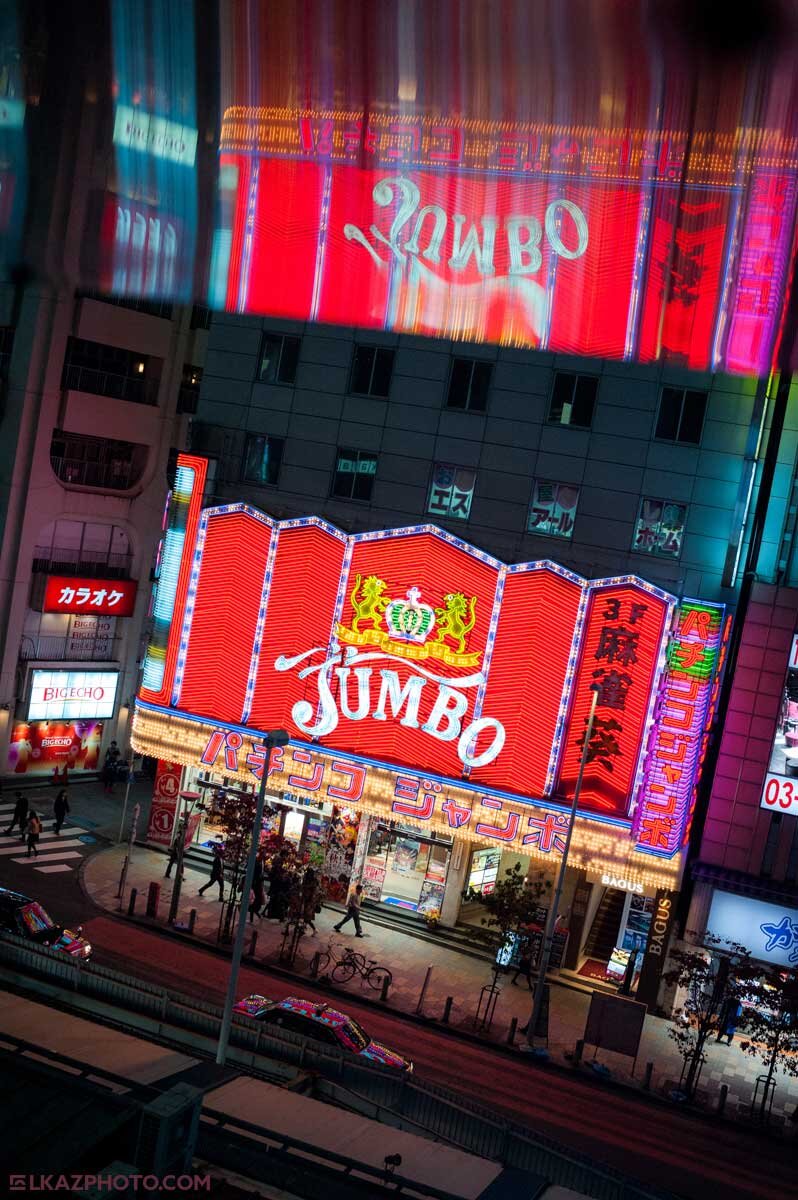
I can think about some readers scoffing at my fascination with the previous and rundown. In fact, town must be renewed and improved. A metropolis can’t simply be aesthetic it should even be practical. And anyway, my concept of aesthetic being synonymous with decrepit might not enchantment to most. However what concerning the neon indicators? So many stunning examples of neon artistry have fallen, taken down and changed with soulless LED signage or as within the case of the previous Jumbo Pachinko in Shinjuku, changed by a easy static billboard. I’m positive the price of preserving the neon burning was large and it was not environmentally pleasant. Once more, I can see the way it’s for the higher. And but I really feel that one thing particular has been misplaced, by no means to be seen once more.
The previous structure of Shibuya station, now not in existence.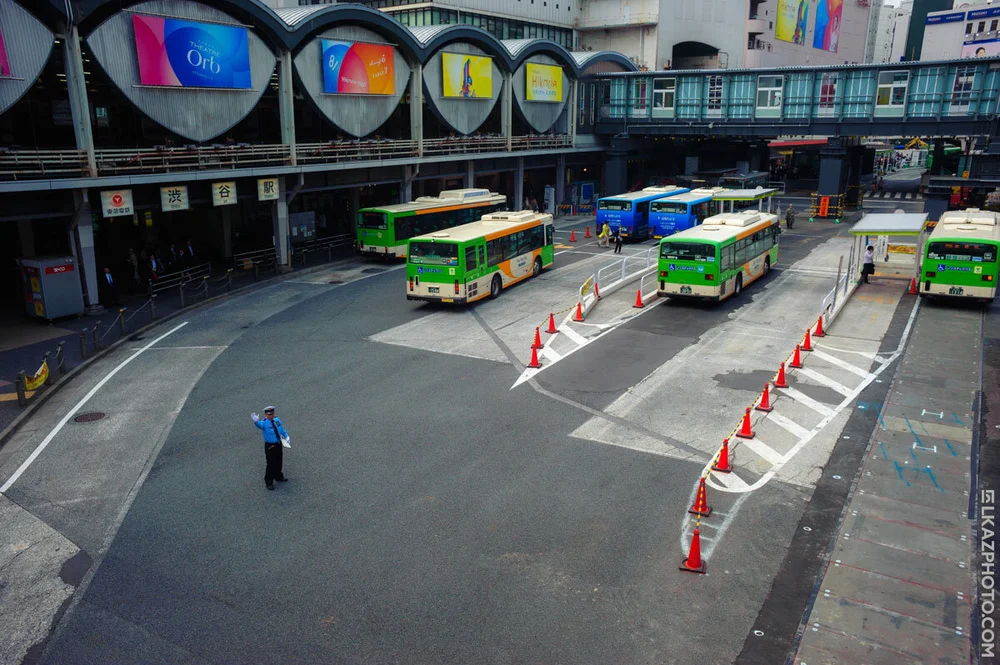
Talking of neon, the enduring purple and inexperienced indicators of the Marugen buildings in Ginza are being snuffed out one after the other, both by the weather or by the absence of an proprietor with a will to take care of them. These decaying previous buildings will definitely not final for much longer since they haven’t any cause to exist, having served their function as nightlife pleasure palaces in an period gone. However when the Ginza streets are now not graced by the attractive purple and inexperienced glow of their neon, but once more Tokyo will lose one thing intangible. And few will discover.
One of many many indicators of Marugen, not for much longer for this world.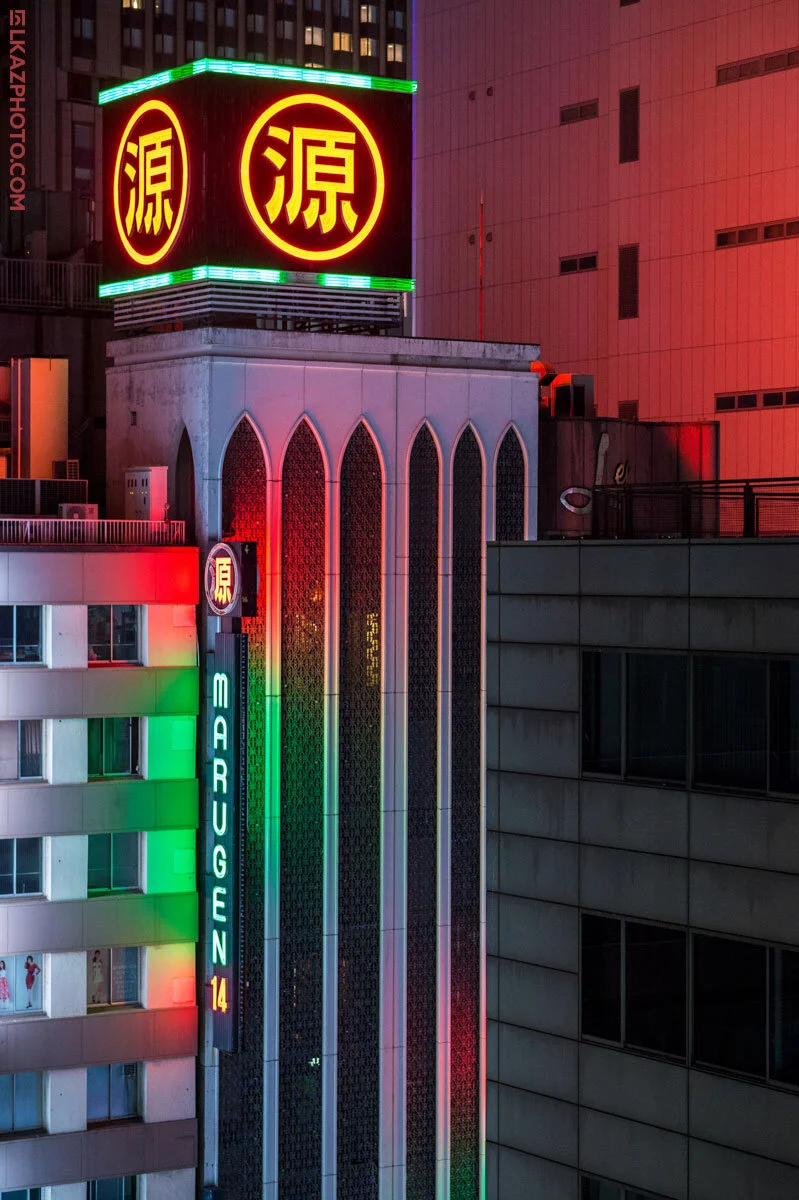
This signal has been off for some time now.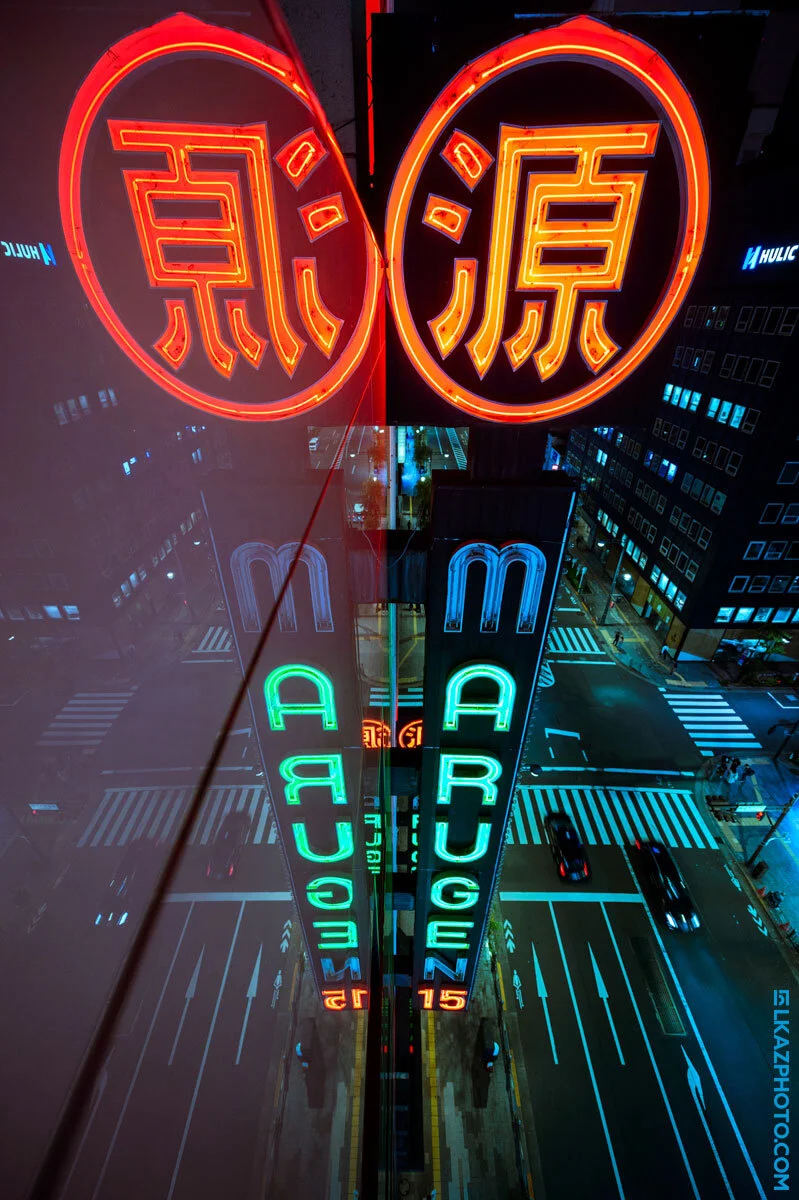
Yet another instance is the foremost adjustments round Shibuya station. The previous station, though needing an improve, had attraction that the brand new buildings don’t. There was a really feel of age and historical past, like a leather-based coat weathered by years of use, or maybe just like the rind of aged cheese. Shibuya had a rind, and it was stripped away and changed by one thing new. I’ve a silent hope that in time the brand new buildings will age and develop a rind similar to the Tokyo of previous, however I can’t assist however be skeptical. The brand new issues are simply too medical, too deliberate, and never natural sufficient.
The Shibuya River runs by a concrete sluice alongside rows of previous buildings.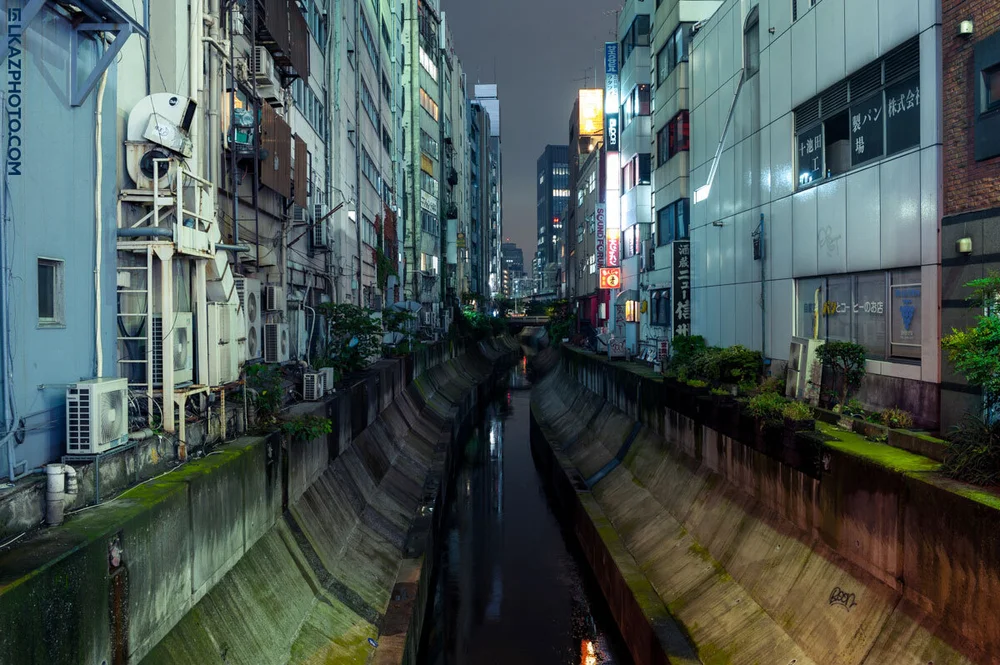
On the south facet of Shibuya station, a river emerges seemingly from nowhere. Properly, it may possibly barely be known as a river. It’s extra like a concrete sluice with a shallow stream of questionable water operating by it. It was lined with previous buildings housing bars and eating places however has been changed by a meals court docket with a towering skyscraper perched on high. The view down the river seems to be fairly totally different now. I do know I sound judgmental of the brand new locations, and likewise very egocentric. The place now throngs of individuals can use and benefit from the amenities, that are clear and alluring, the previous haunts couldn’t be loved fairly so simply. It took a particular perspective and aware appreciation of those weathered previous areas.
A view that’s now not potential to {photograph}.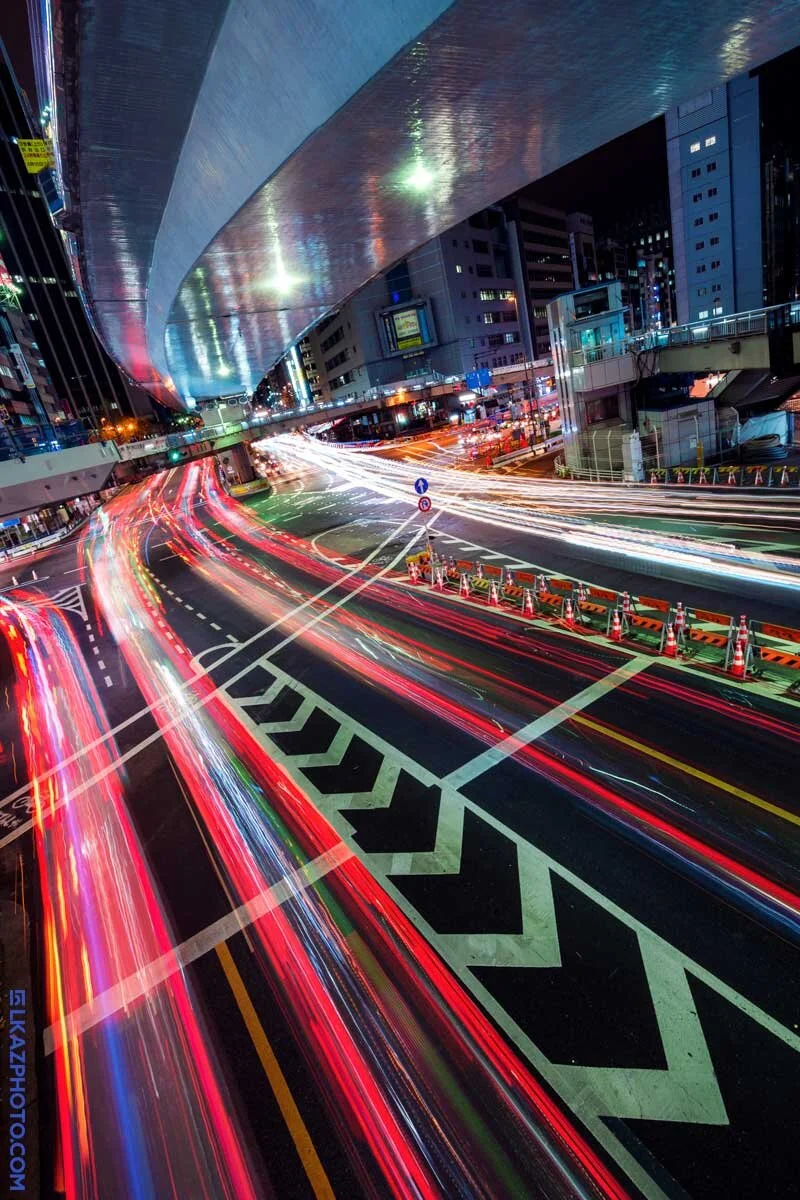
However now this angle is feasible.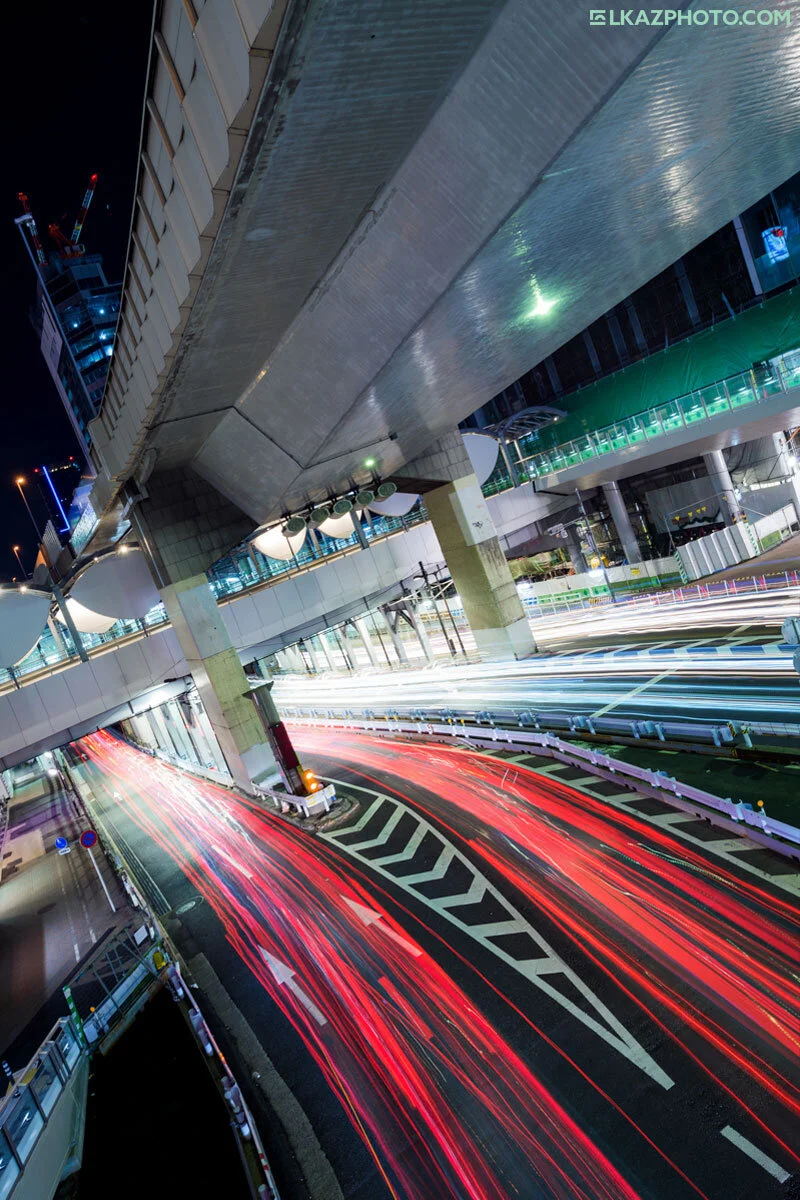
It’s not nearly romanticizing a Tokyo that now not exists. In some instances, the adjustments result in sensible adjustments relating to images. Some views are merely not potential anymore. A constructing with a staircase that might be used as a perch isn’t any extra. Or the pedestrian walkways in Shibuya—they’ve been changed, and with them some photographic vantage factors have change into inconceivable, whereas others have opened up. This state of flux appears to be merely a reality of actuality. However it’s not one thing of which I took discover after I first began photographing Tokyo over a decade in the past. The speed of change is sluggish for probably the most half, so it’s straightforward to take issues with no consideration. Solely when observing town fastidiously on the order of years does one discover the continued and inexorable change.
Even the basic taxis are being changed, and maybe will sometime be extinct.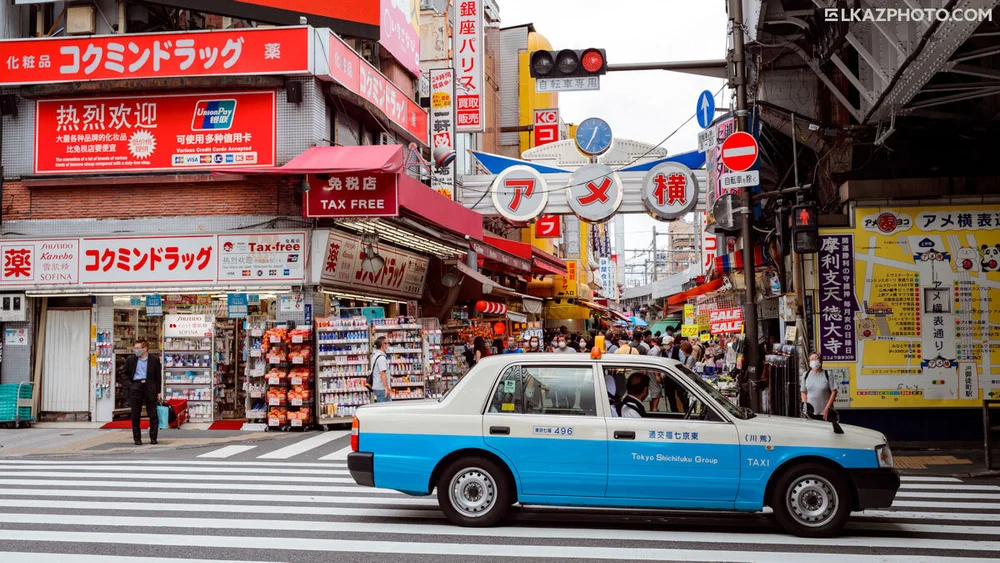
With that notion in thoughts, it’s fittingly symbolic that maybe probably the most iconic instance of the retro-Tokyo period is being snuffed out: the Nakagin Capsule Tower. It was as soon as an emblem of the longer term. It was a hopeful and naïve early try and construct a metropolis that may evolve and develop additional time, very like a dwelling organism. This was the ethos of the Metabolism structure motion, of which Kishio Kurokawa, the architect behind Nakagin, was a member.
A decaying Nakagin looms over the road in darkness because it nears its last days.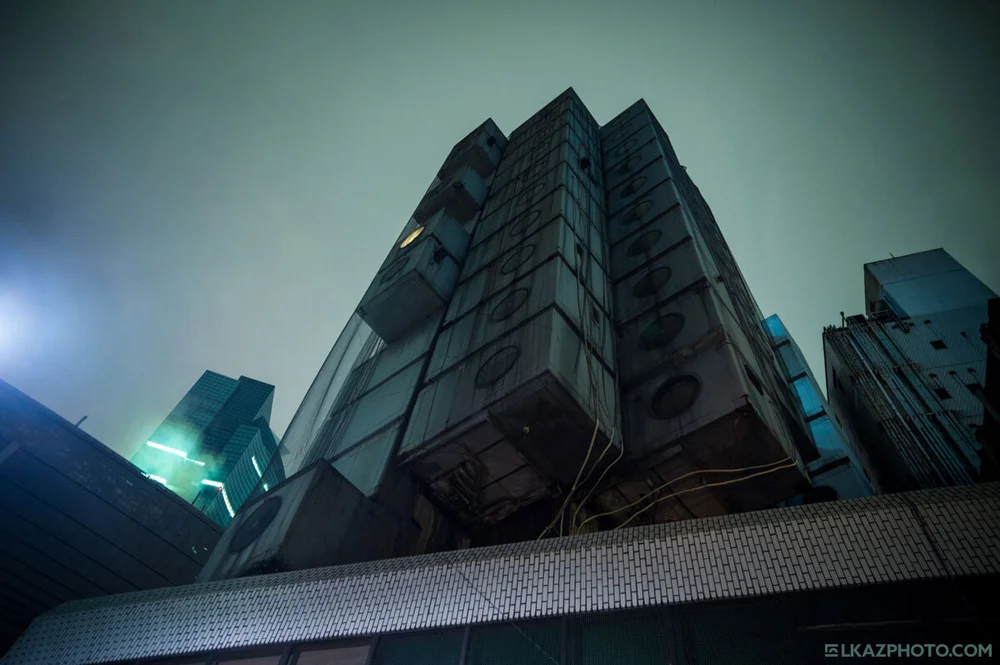
The Metabolists wished to construct megastructures that they likened to a organic organism. They envisioned sprawling matts of city substrate floating upon Tokyo Bay. They dreamed of buildings with interchangeable components that might be changed and retrofitted as demanded by the wants of town. The Nakagin Capsule Tower was a prototype of this idea. Its capsule flats weren’t meant to final greater than a decade or two with the expectation that they might get replaced with extra high-tech variations when the time got here. However this by no means occurred, and the capsules in addition to the tower itself (really a pair of towers sharing a base), fell into disrepair. In truth, I’ve seen ideas of many capsule towers dotting the city panorama constructed right into a community of interconnected walkways. However the dream by no means got here true.
Nakagin is a relic of a time to which we are able to by no means return.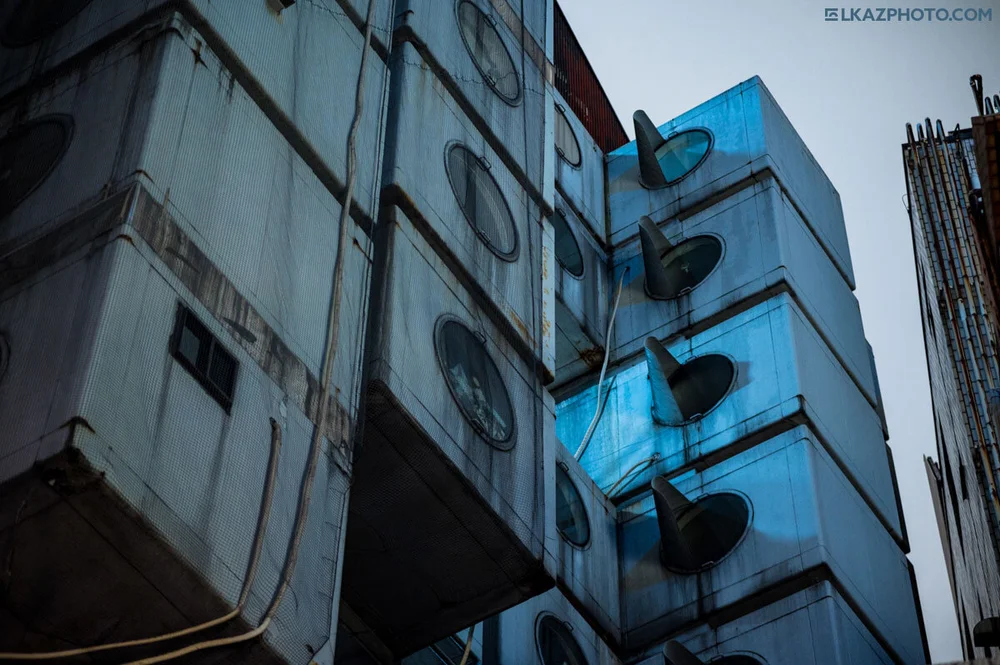
And but, in a wierd method, the demise of Nakagin is precisely what the Metabolists envisioned: Tokyo is a megastructure comprised of many replaceable components, one after the other expunged and changed with newer components, higher suited to fulfill the wants of the metropolis. Isn’t that metabolism?
And so, the place do the photographers slot in all of this? We are able to use our magic black packing containers to document what we are able to and protect it. Why? Maybe as a result of we love this nice metropolis and because it strikes by epochs in its historical past, we change into enamored in its character—one thing inscrutable that can’t not be defined with phrases, solely photos.
I’ll miss Nakagin when it’s lastly gone.

View fullsize


View fullsize


View fullsize


View fullsize


View fullsize


View fullsize


View fullsize


View fullsize


View fullsize
