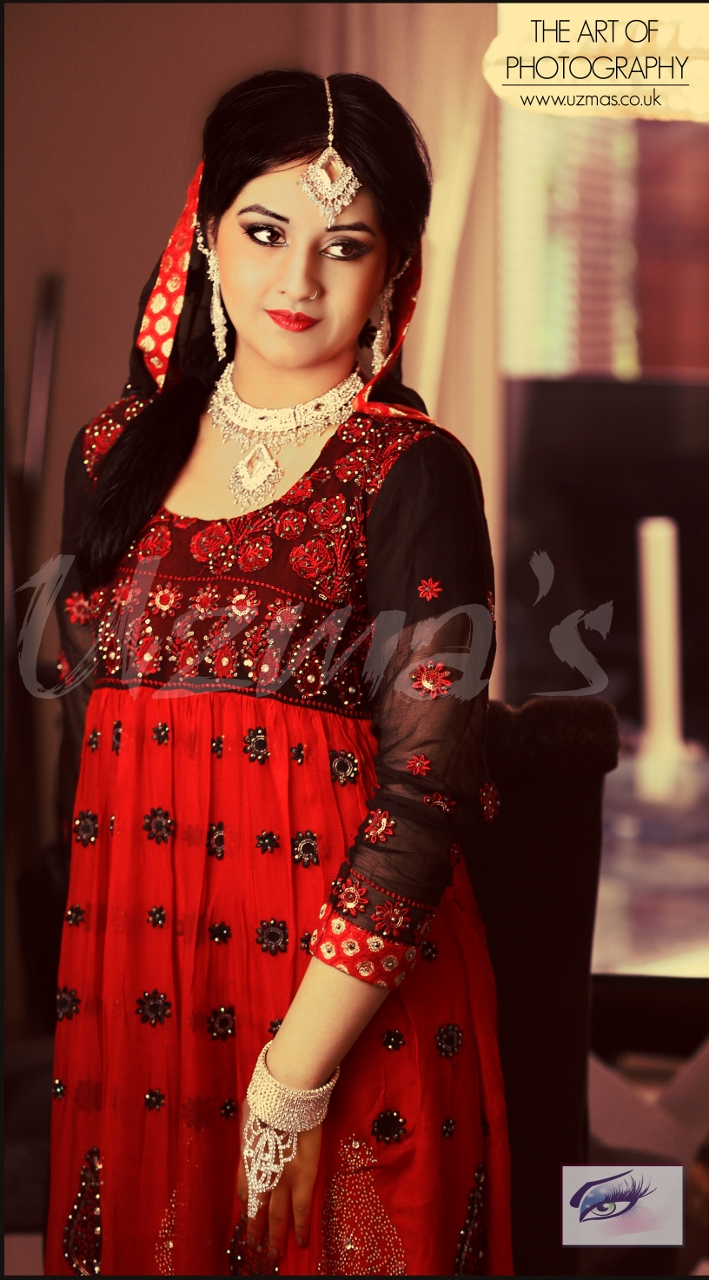
“They are not said to be husband and wife, who merely sit together. Rather they alone are called husband and wife, who have one soul in two bodies.” (Guru Amar Das, Pauri, pg. 788)
According to the 2011 Census, 432,429 Sikhs reside in the United Kingdom along with many others belonging to diverse religions. Despite living in a western scenario, however, they have maintained and adhered to their customs and traditions in all matters. A traditional Sikh wedding is called “Anand Karaj” which can be literally translated as “Blissful Union”. According to Sikh religion, marriage is a very special occasion which joins two individuals in an equal partnership. It is not merely a physical and legal contract but also a holy union between two souls.

Rehat Maryada
The Rehat Maryada is the Official Sikh Code of Conduct. It specifies that a prospective spouse’s caste, race and ancestry should not be taken into account; as long as the man and the woman profess the Sikh faith and religion, they can be joined in wedlock. Moreover, there is a strict prohibition of any kind of dowry since the Rehat Maryada does not view marriage as some kind of business contract. Sikhs are also forbidden from consulting horoscopes or following any other superstitious practice related with deciding the wedding date and time.
Sikh Weddings
The religious ceremony in a traditional Sikh wedding is performed in Gurdwara (Sikh religious temple) while the banquet is arranged either at home, in a hall or a hotel. In the east, marriages are a three-day affair. However, in west they are arranged over a period of usually one or two days due to time constraints and management difficulties.

Pre-Wedding Ceremonies
Kurmai: An engagement ceremony or Kurmai is usually not required in a Sikh wedding. However, if it is arranged, the event takes place in Gurdwara or at the groom’s home one week before the wedding. Kurmai in a Gurdwara includes Ardas (the common Sikh prayer), Kirtan (hymns from Sri Guru Granth Sahib) and langar (community meal). If it’s arranged in groom’s house, the bride’s family visits the groom’s house and presents him with kara (metal bracelet), kirpan (ceremonial sword) and sweets. In return, the bride’s family receives a traditional suit and sweets for the bride.
Chunni Ceremony: Groom’s mother covers the bride’s head with a chunni (red scarf) and gives her jewellery and sweets as a sign of her acceptance in the family.
Maiya: This ceremony is performed for 5 days before the wedding in which oil is put in the bride’s and the groom’s heads and their bodies are massaged with turmeric powder.
Karahi Charhna: This ceremony starts 5 days before the wedding and continues till the day itself. Delicious sweet items are cooked in a large dish (karahi) for the guests.
Mehndi: It is a ceremony performed 1 or 2 days before the wedding day. Bride’s hands and feet are decorated with mehndi and traditional songs are sung on dholak.
Choora Ceremony: Bride’s uncle gives her a choora (21 bangles in red and cream colour) which has been submerged in lassi (yogurt milk) and rosewater.
Wedding-Day Ceremonies
Sehra Bandi: In his house, sehra (traditional floral veil) is fixed onto the groom’s head which is then tied on a turban. It signifies the groom’s maturity and responsibility.
Barat: The groom mounts a horse. Bhangra (traditional dance) is performed by all family members and they visit the wedding venue.
Milni: Bride’s family receives and greets the groom’s family and both of the families perform Ardas. After this, tea is served to the guests before the religious ceremony begins.
Anand Karaj: The ceremony starts with Kirtan (singing of hymns) by the bride and groom sitting in front of Guru Granth Sahib (Sikh holy book). The Sikh priest explains the philosophy of Sikh marriage after which Ardas is performed.
The Lavans: The groom is given one end of the scarf on the shoulder and the bride holds the other end. The couple then moves clockwise around Guru Granth Sahib as the priest reads the Lavans (four prayers that seal the marriage). The couples bow to the holy book and the process is repeated four times. The completion of Lavans signifies that the couple is officially married. The ceremony ends with final prayer and distribution of guruprasad to guests.
Shaggan: The couple is congratulated by friends and family members, and the bride and groom are blessed with gifts and money for their future happiness and prosperity.
Reception: After the religious ceremony, everyone either enjoys langar (community meal) in Gurdwara or leave for reception party in a hall or hotel. Later on, the bride leaves her house with the groom and his family.